- STOREGlobal/English





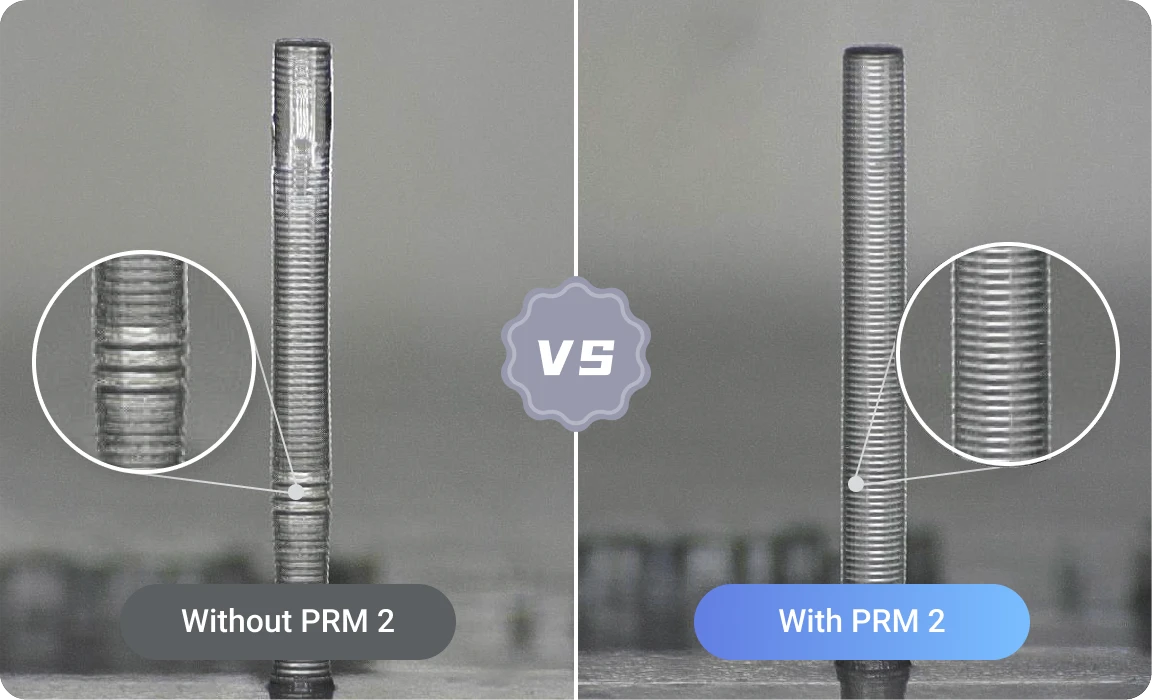
Improved Surface Quality & Printability
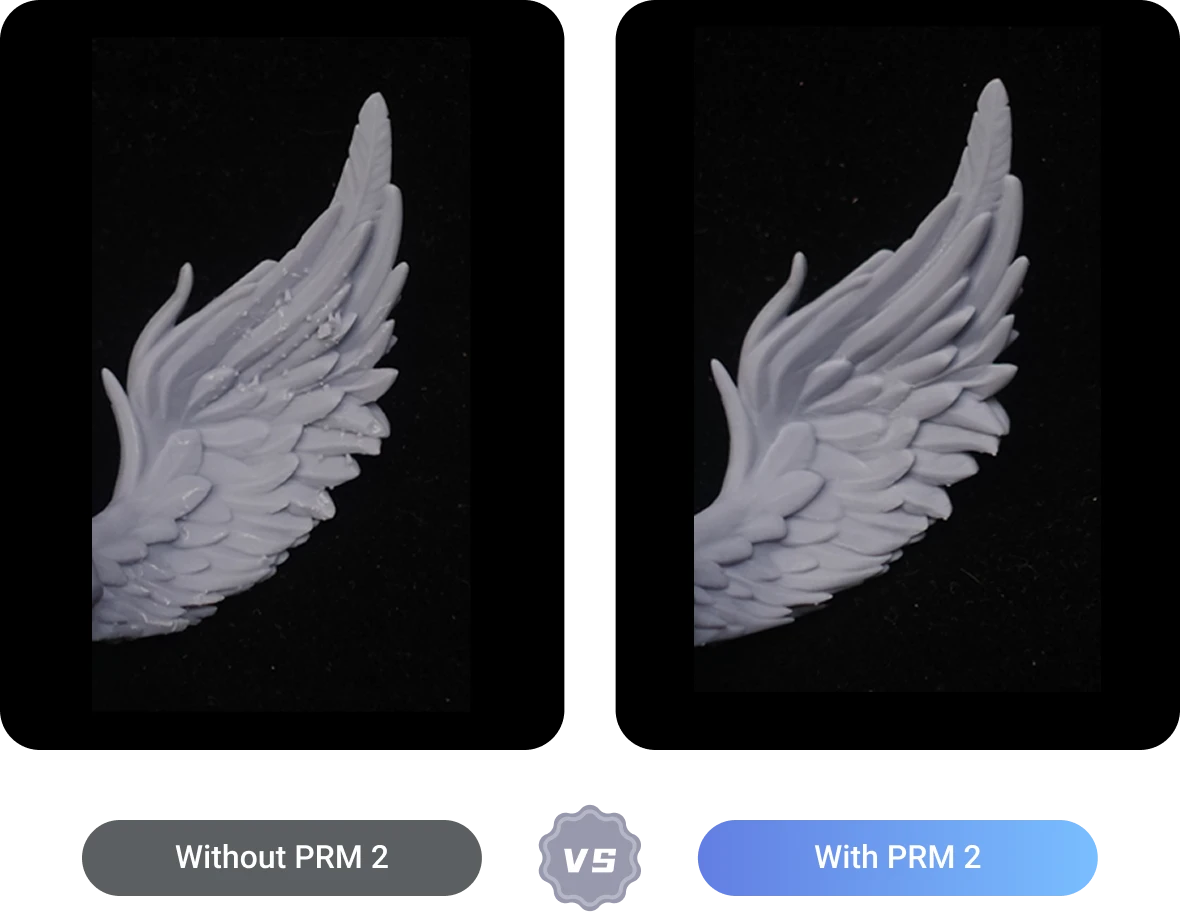
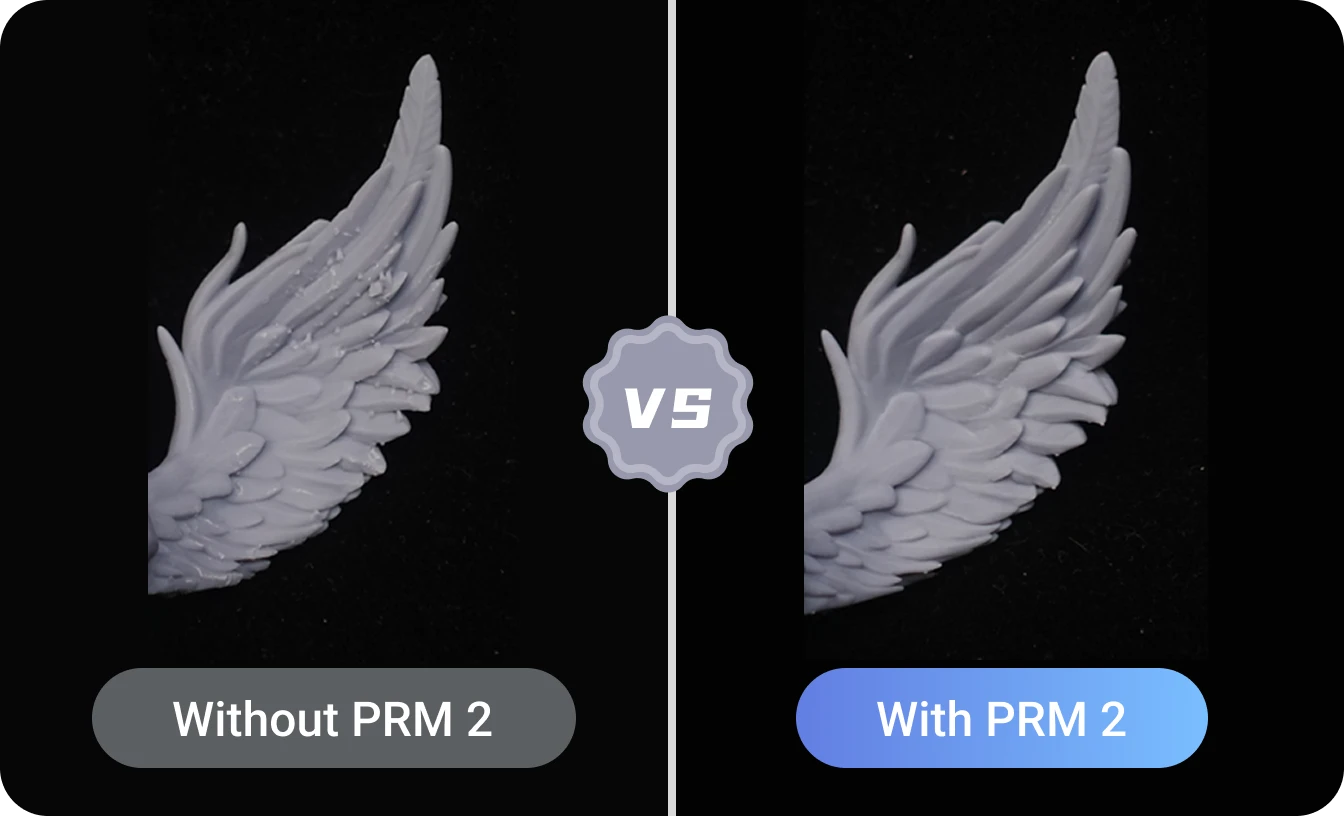
Achieves superior surface quality, even for ultra-fine pillars with a diameter of ≤1 mm
≤1mm Ultra-fine Pillars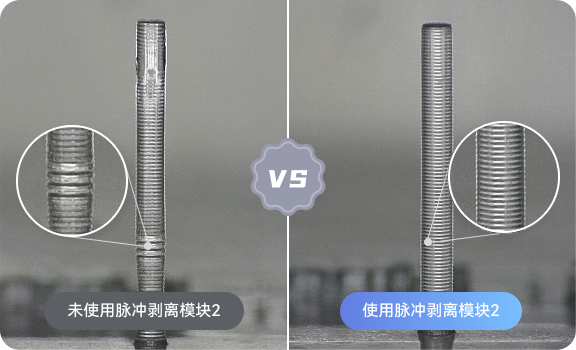
Improved Surface Quality & Printability
Reduces abnormal surface layer lines even for ≤3 mm thin-walled structures.
≤3 mm Thin-Walled Structures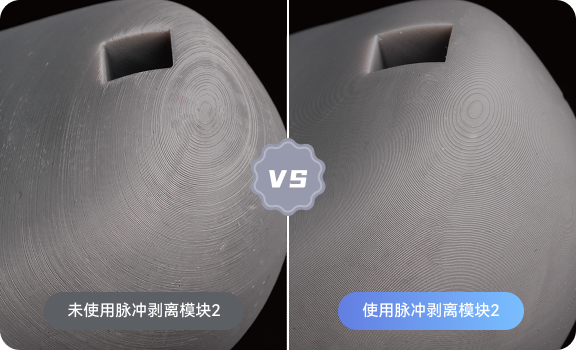
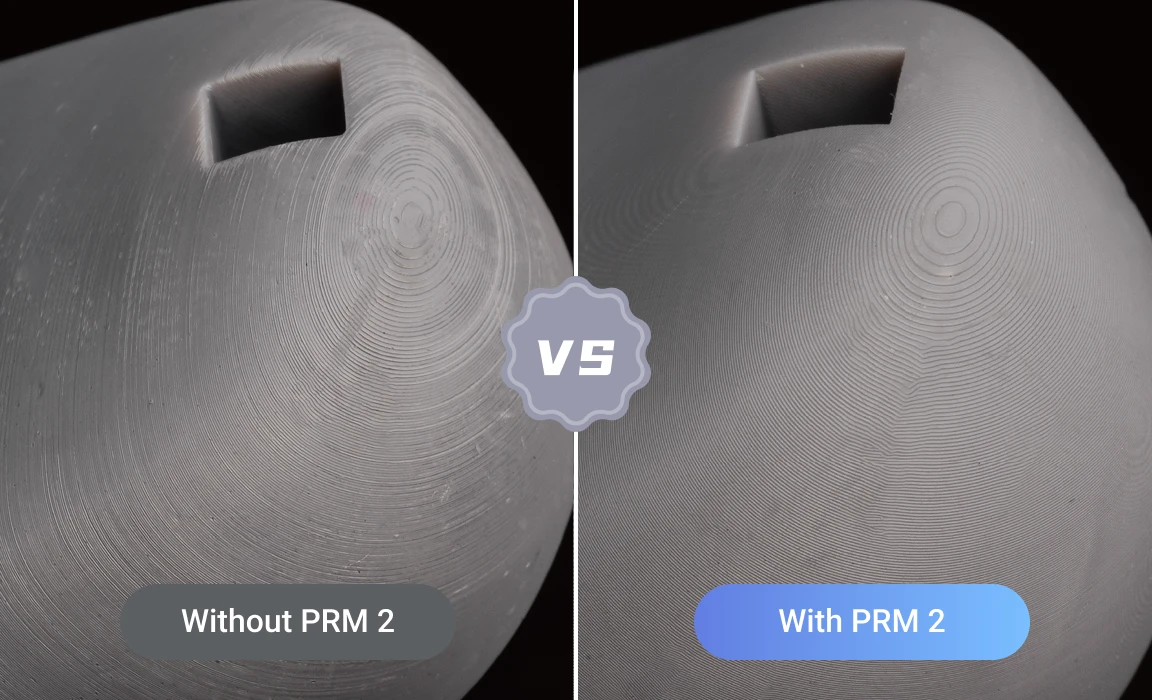
Improved Surface Quality & Printability
3D print overhangs with selectable self-support angles (10° to 90°)
Self-supporting Complex Structures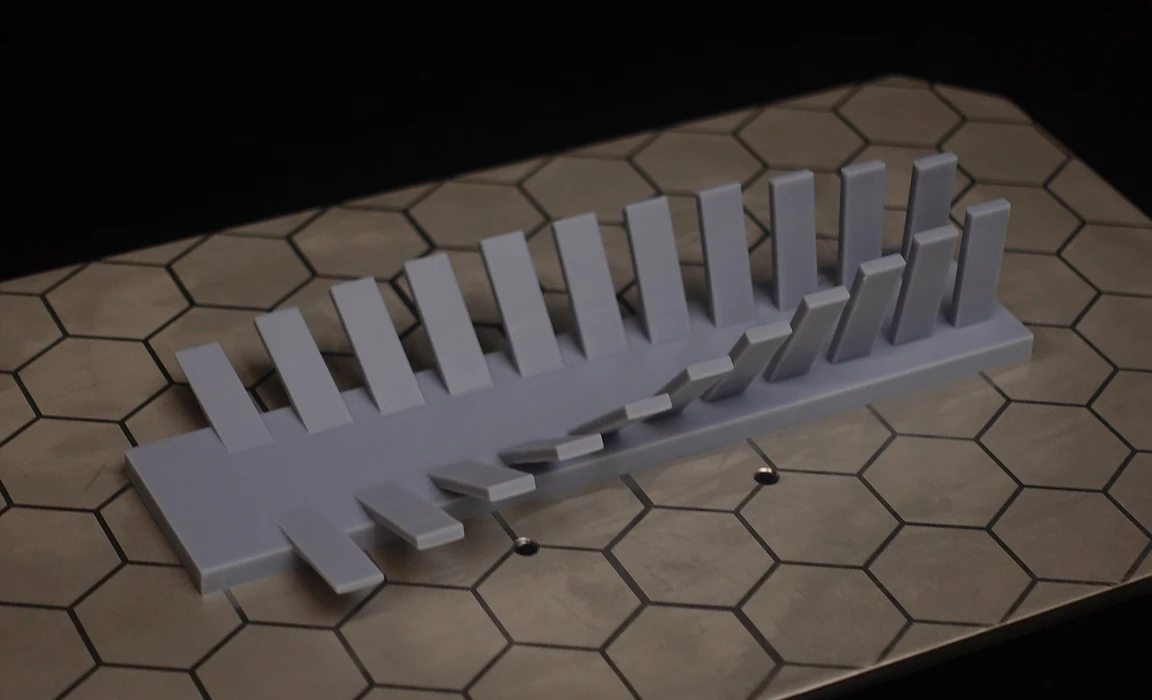
Improved Surface Quality & Printability
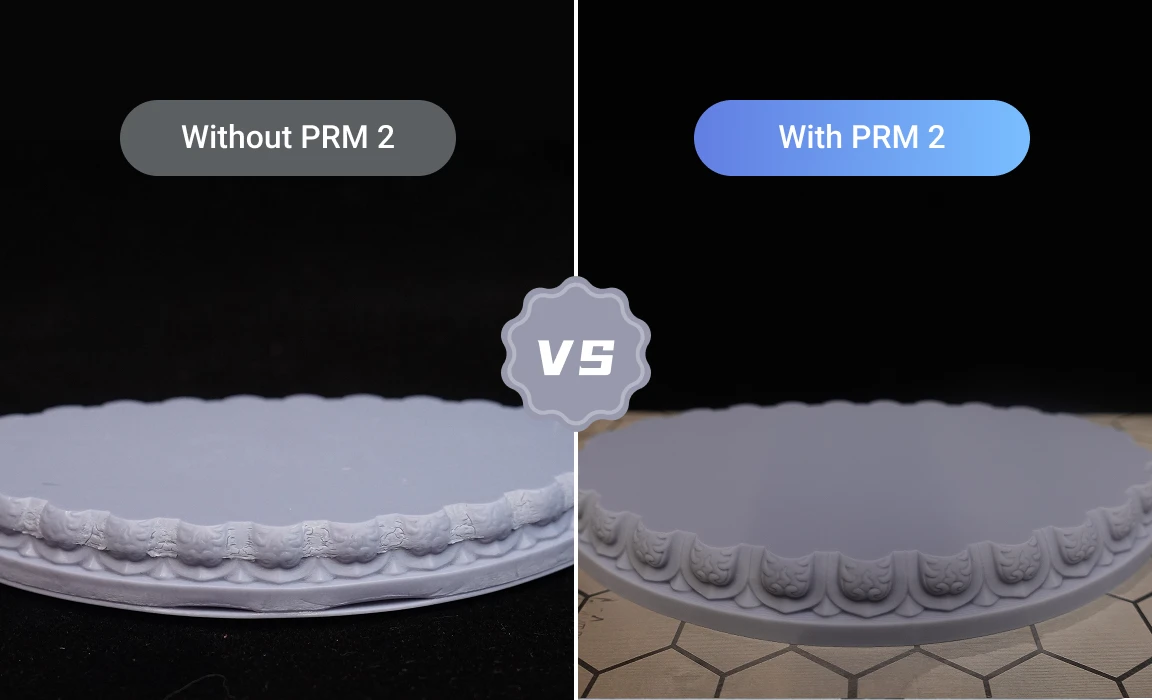
3D print large-format parts with seamless surfaces and superfine edge details, while also minimizing risk of print failure
Large-format Parts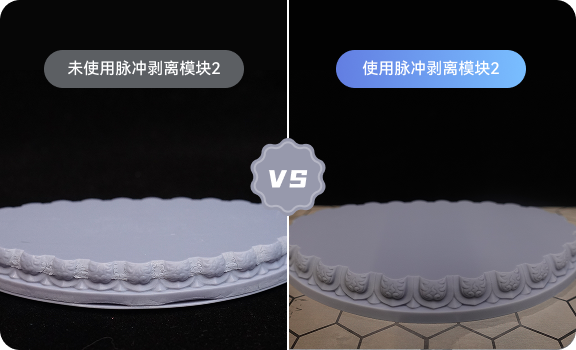


Improved Surface Quality & Printability
Achieves superior surface quality, even for ultra-fine pillars with a diameter of ≤1 mm
Improved Surface Quality & Printability
Reduces abnormal surface layer lines even for ≤3 mm thin-walled structures.
Improved Surface Quality & Printability
3D print overhangs with selectable self-support angles (10° to 90°)
Improved Surface Quality & Printability
3D print large-format parts with seamless surfaces and superfine edge details, while also minimizing risk of print failure
Less Support Waste, Faster Post-processing
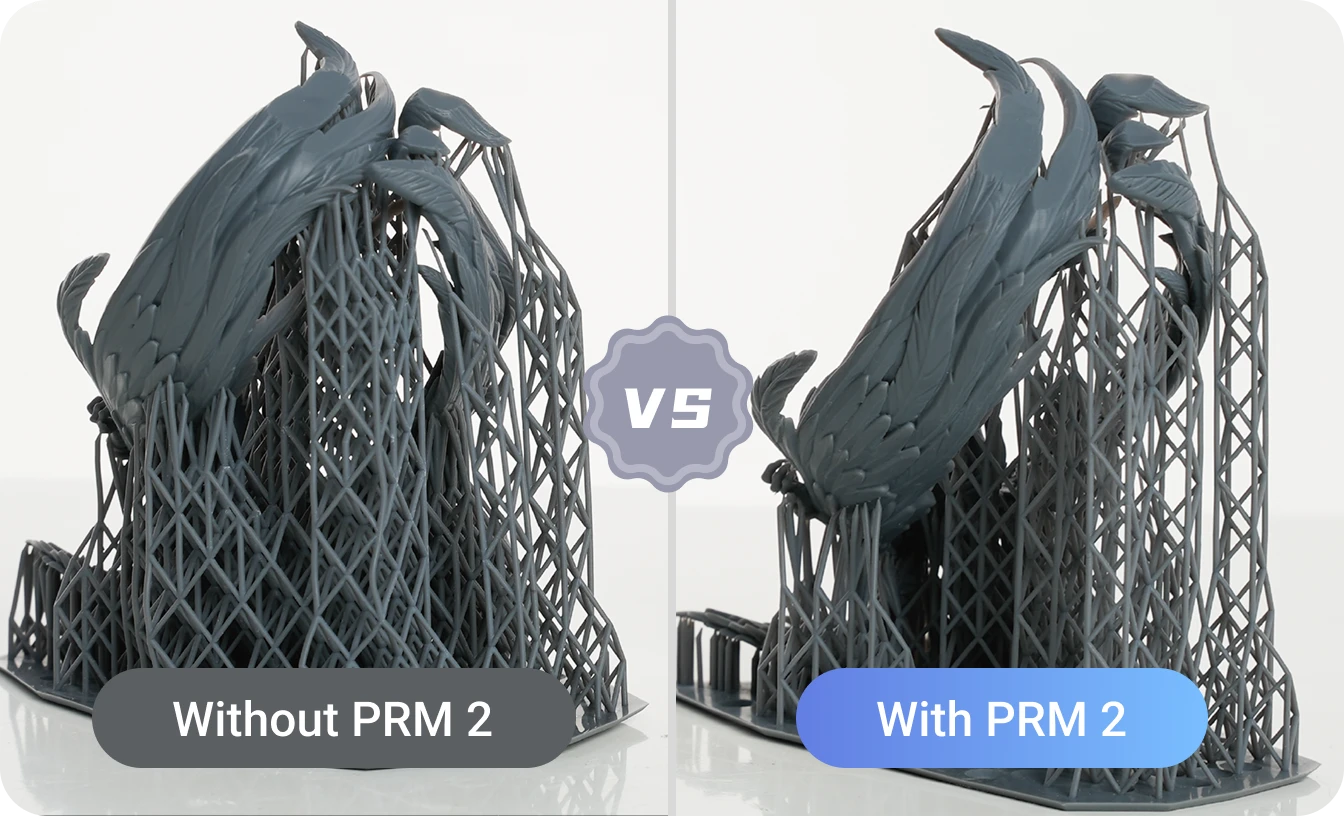
25%~54%* Less Time Needed for Sanding or Polishing
The total area of support contact points has been reduced by 25% to 54%, resulting in a decrease in the time needed for sanding or polishing.
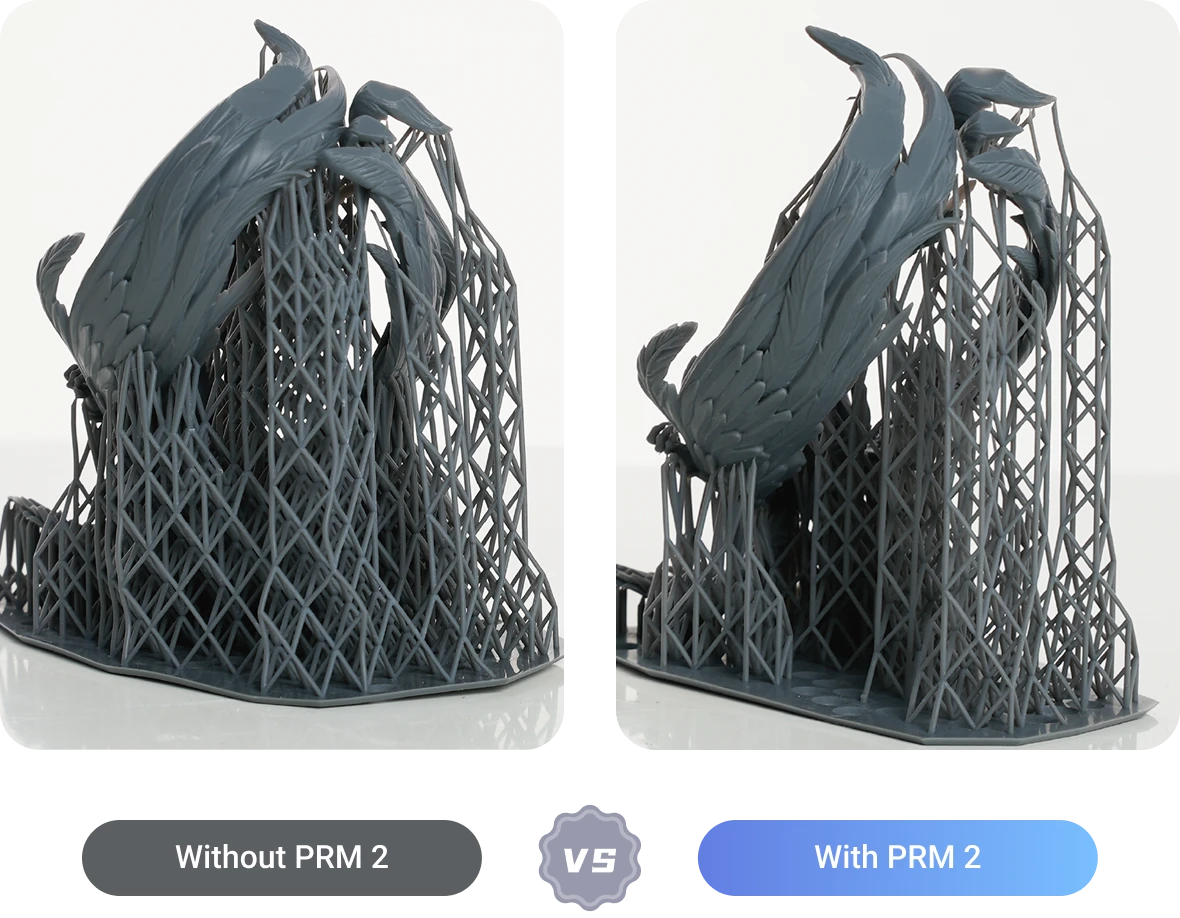
20% - 60% Fewer Supports
A lower peeling force reduces the demand for support. As a result, support material usage is cut by 20%-60%** while ensuring successful prints, improving resin utilization.
*Data sourced from HeyGears Lab, based on the large-format model with PAS10 resin
**Data sourced from HeyGears Lab, the results may vary with different resins. For low-viscosity materials, it is recommended to adjust the support critical angle to ensure printing quality.
Less Support Waste, Faster Post-processing
25%~54%* Less Time Needed for Sanding or Polishing
The total area of support contact points has been reduced by 25% to 54%, resulting in a decrease in the time needed for sanding or polishing.
*Data sourced from HeyGears Lab, based on the large-format model with PAS10 resin
20% - 60% Fewer Supports
A lower peeling force reduces the demand for support. As a result, support material usage is cut by 20%-60%** while ensuring successful prints, improving resin utilization.
**Data sourced from HeyGears Lab, the results may vary with different resins. For low-viscosity materials, it is recommended to adjust the support critical angle to ensure printing quality.
Reduce Peeling Force, Enhanced Print Results
How it Works
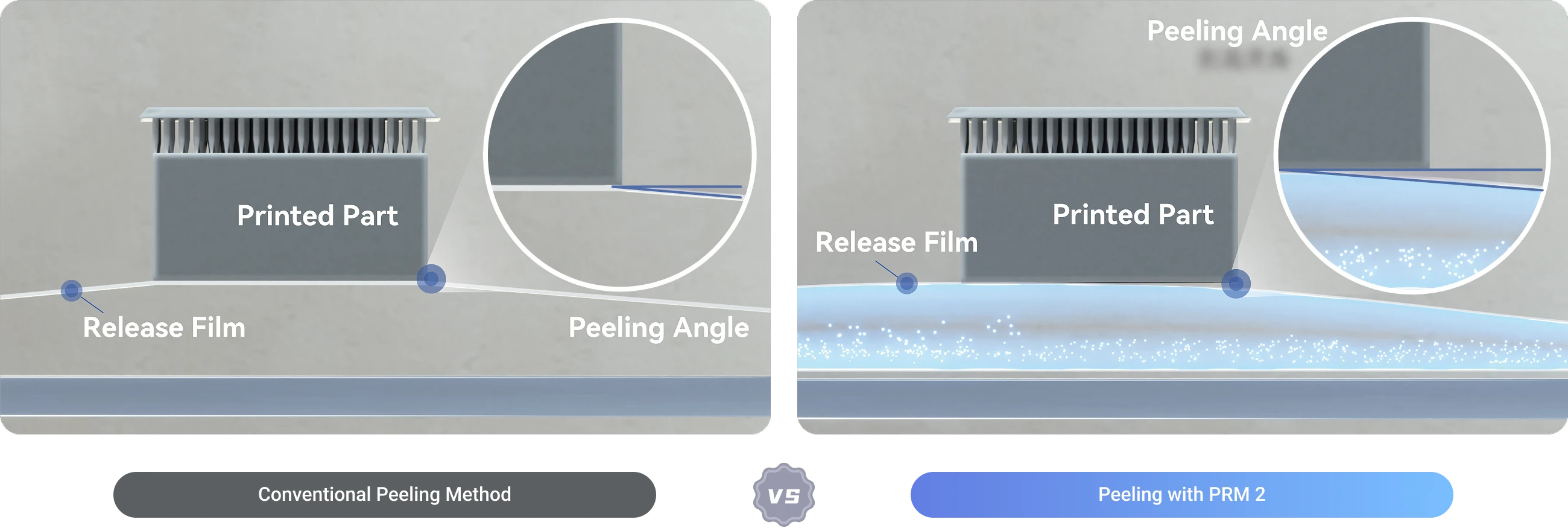
During the printing process, the Pulsing Release Module 2 creates a cycle of positive and negative pressure within the release film with periodic inflation and deflation. This creates a larger peeling angle, reducing the force needed to separate the printed part from the release film.
Reduce Peeling Force, Enhanced Print Results
How it Works
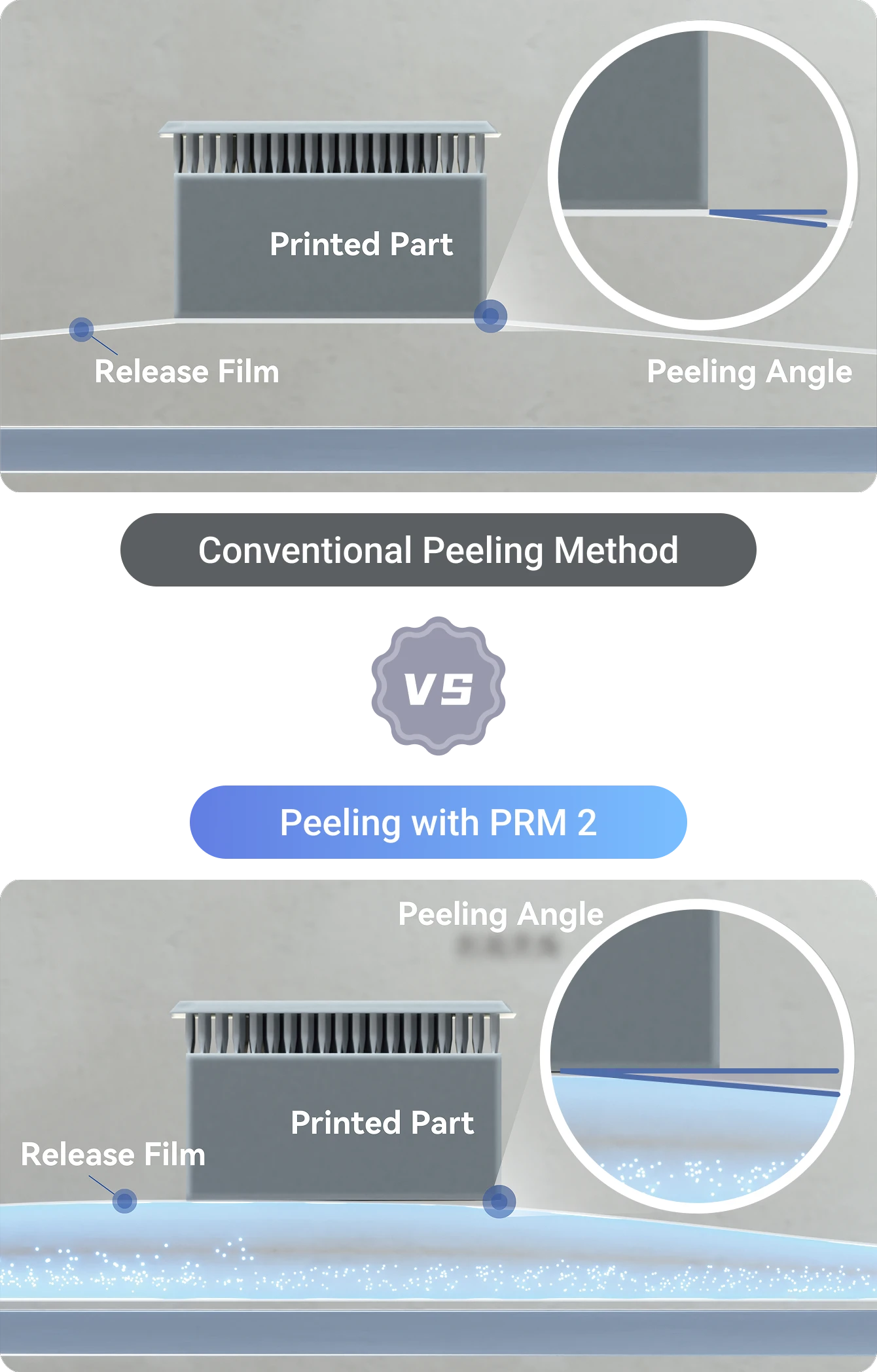
During the printing process, the Pulsing Release Module 2 creates a cycle of positive and negative pressure within the release film with periodic inflation and deflation.
This creates a larger peeling angle, reducing the force needed to separate the printed part from the release film.
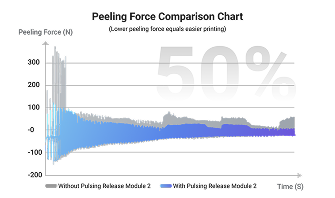
Reduce Peeling Force by Approximately 50%
Reduce Peeling Force by Approximately 50%
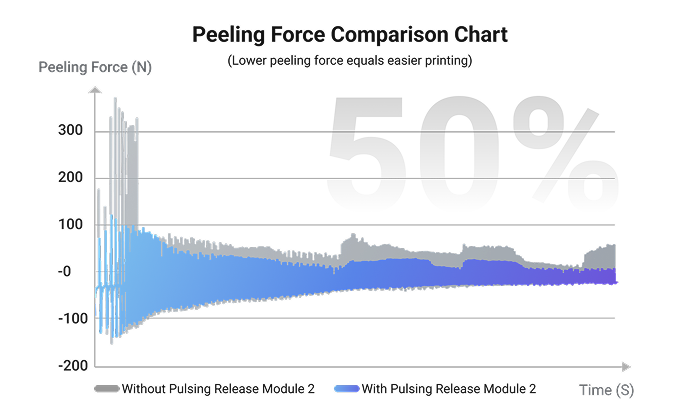
The Reflex 2 series, combined with the Pulsing Release Module 2, achieves a dramatic reduction in peeling force—by about 50%.
*Data sourced from HeyGears Lab, based on the large-format model with PAS10 resin
This not only minimizes the need for support optimization but also breaks through the limits of manual tuning, ensuring a comprehensive improvement in final print quality.
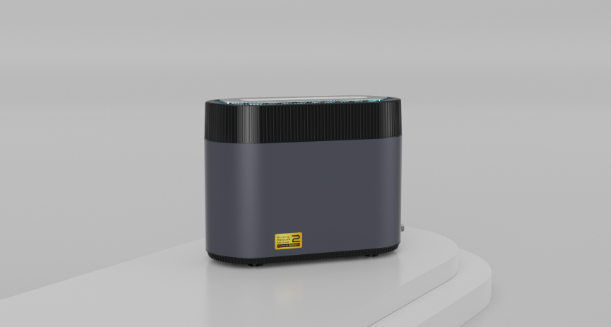
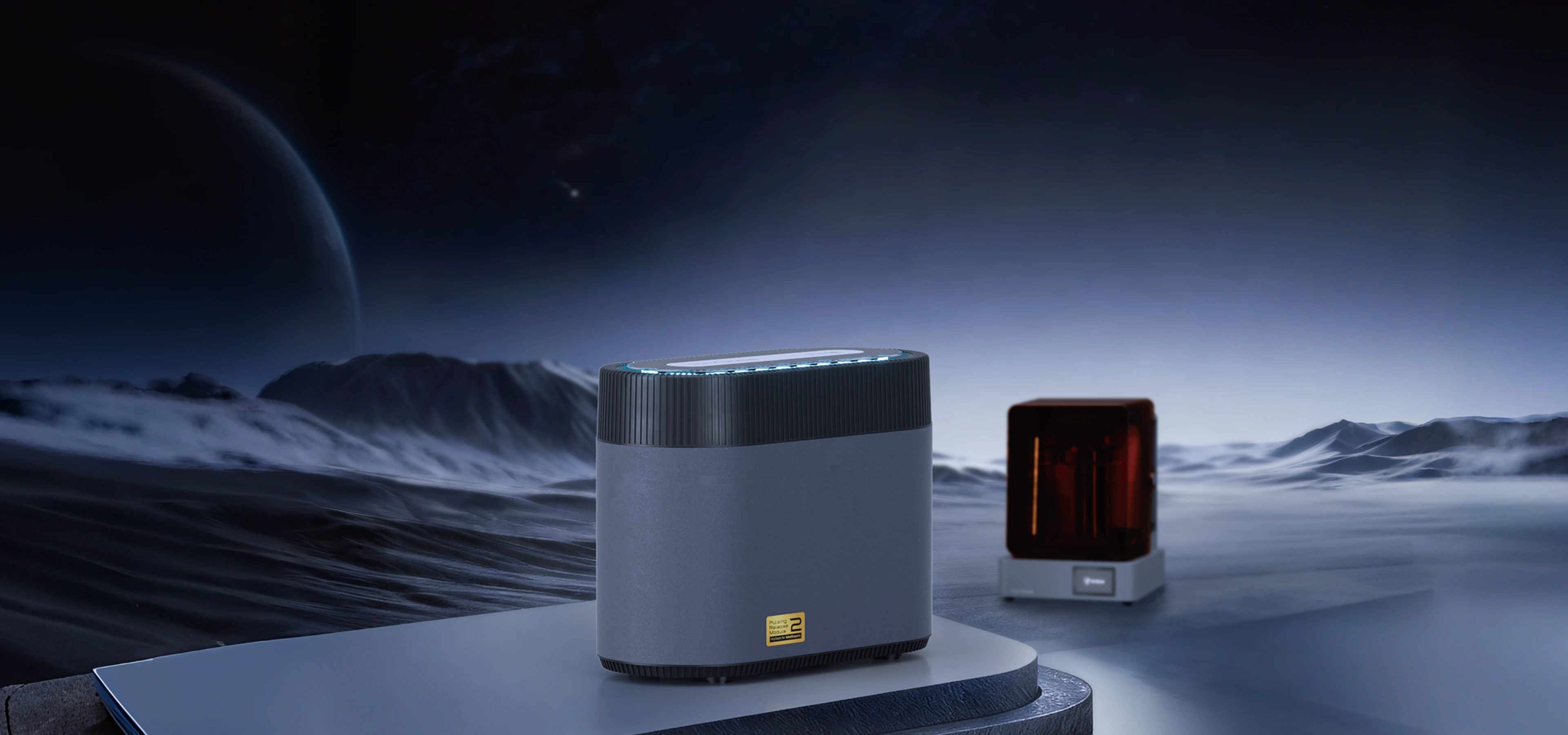
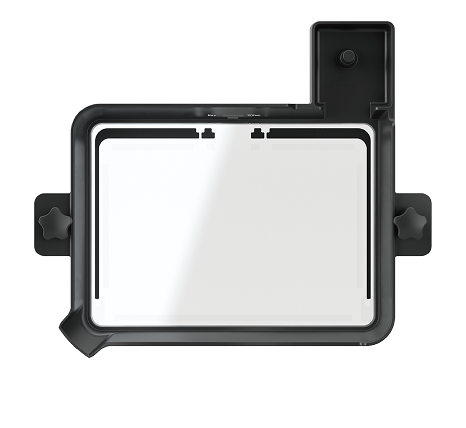
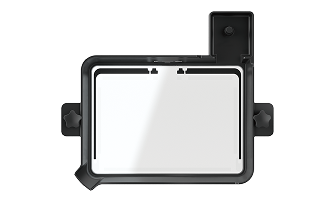
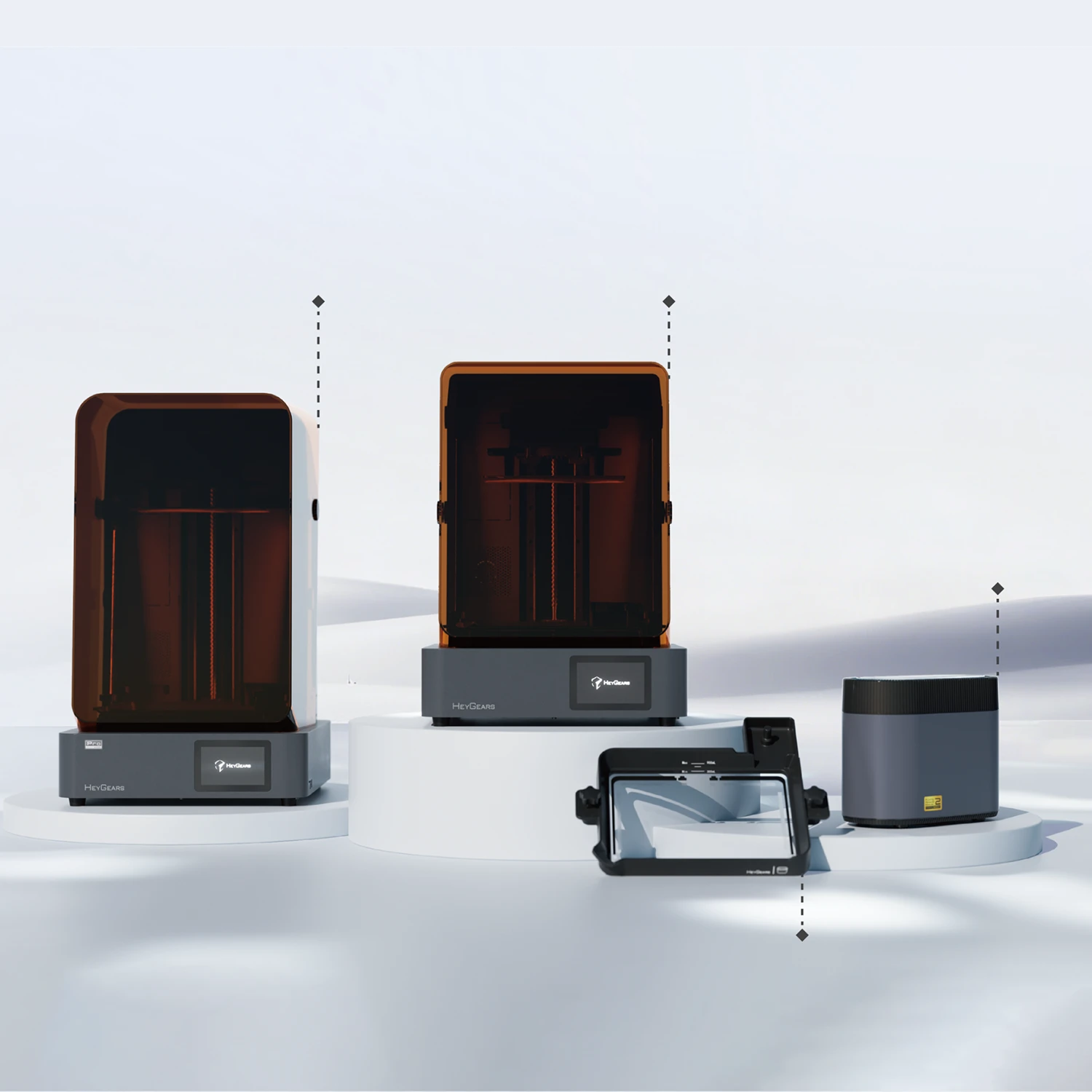
The PRM 2 is designed to work with the Pulsing Release Resin Tank. Through extensive development and optimization, the system achieves consistent film oscillation across the entire printing area.
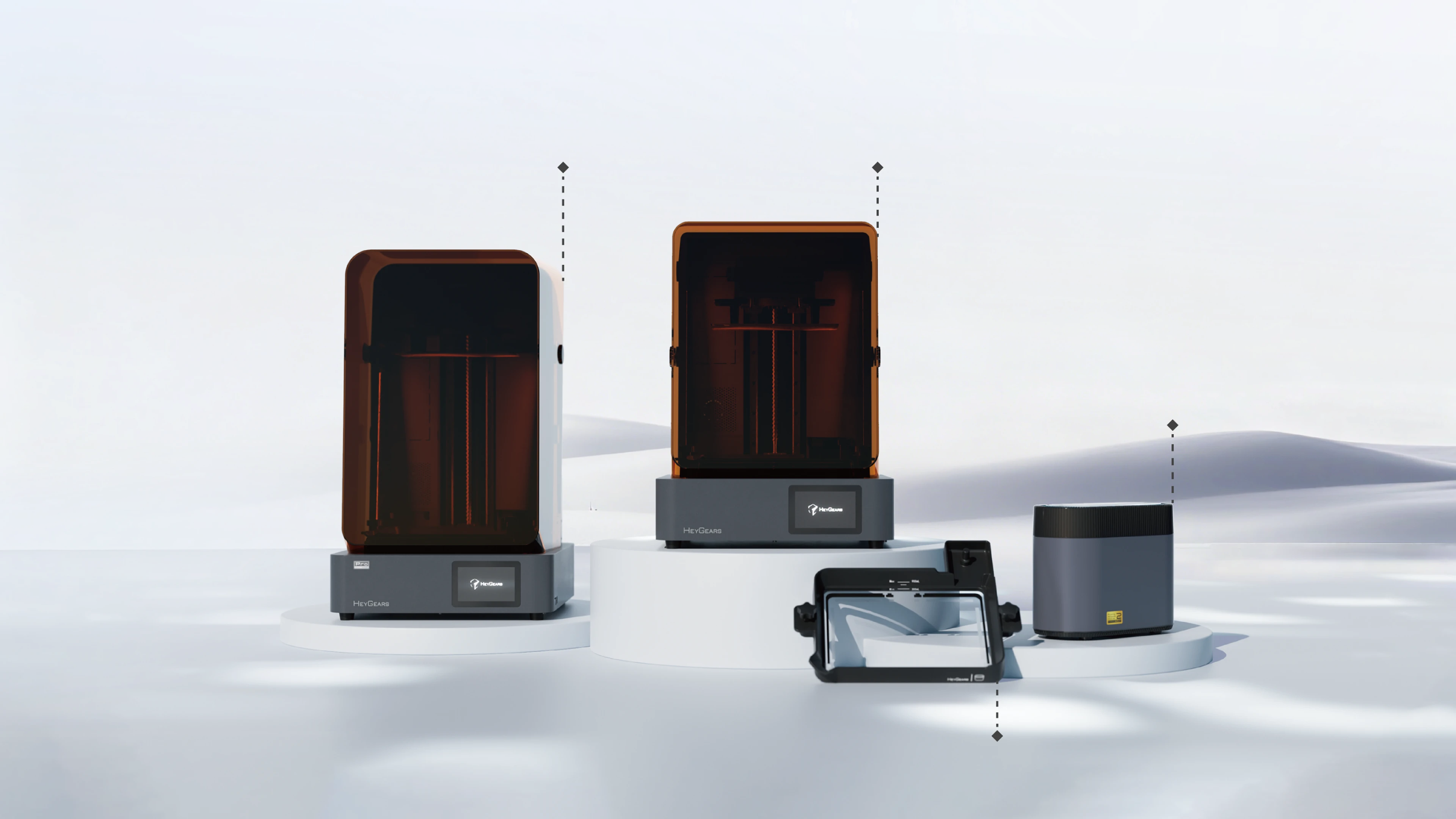
 Reflex 2
Pulsing Release Module 2
Pulsing Release Resin Tank
Specifications
Input Voltage 24V DC
Rated Power 25 W
Dimensions 310*148*235 mm /12.52*5.83*9.25 in
Weight 3 kg